
The average woman packs eight pairs of shoes for a two-week holiday. That’s a lot of wasted space! My experience with testing nearly every major suitcase brand taught me that smart packing depends more on organization than contents.
Some travelers start packing a week before departure, while others become skilled at squeezing three weeks of essentials into a school backpack. These travel packing hacks will revolutionize your approach. My travels across almost 40 countries helped me find that the best space-saving packing hacks are simple but need planning. This piece covers 23 proven strategies that will save you time, money, and stress on your next adventure. You’ll learn about compression packing cubes that flatten your clothes and techniques that leave room for shopping souvenirs.
Start with a Packing List

Image Source: Template.net
Travelers worry most about forgetting essential items before a trip. A simple packing list can solve this problem completely. Digital tools like PackPoint help create over two million packing lists each year. This shows how many travelers rely on this practice to stay organized.
Why a packing list matters
A good packing list protects you from overpacking and leaving important items behind. Writing down each item makes you think carefully about what you really need. You’ll be less tempted to pack those “just in case” items. This method takes away the stress of trying to remember everything. You’ll feel more relaxed and confident about your trip.
Your packing list helps collect all your belongings when it’s time to head home. This means fewer items get left behind in hotels or rentals. The list can save you money too by helping you avoid those expensive excess baggage fees at the airport.
How to build a smart packing list
The four W’s guide your packing: where you’re going, what you’re doing, with whom, and how long you’ll stay. Your itinerary shows exactly what you need to bring.
Sort your items into categories. Most trips need sections for clothes, technology, and documents. Camping trips need extra categories for outdoor gear and food.
Take at least a week to refine your list. List everything you might need first. Move your must-have items to the top. Then remove extras like clothes you probably won’t wear.
Tools to create digital packing lists
Smart apps make packing easier than ever:
- PackPoint: Plans your packing based on trip length, weather, and activities
- Wanderlog: Lets you customize lists and create detailed daily travel plans
- PackMate: Creates custom packing lists with AI help and lets you work with travel buddies
- OneBag: Shows the weight of each item to calculate your bag’s total weight
- Notion: Helps you copy and reorder checklist items easily, working across all your devices
These digital tools keep your lists ready to use, easy to edit, and available for future trips.
Plan Outfits, Not Options

Image Source: Stylebook
A surprising packing hack has nothing to do with folding techniques—it’s about smart outfit planning. Research shows that 55% of travelers pack clothes they never wear during their trips. This leads to extra baggage and unnecessary stress.
Benefits of outfit planning
Smart outfit planning changes your entire packing approach. You won’t toss in random favorites “just in case.” Instead, you’ll build a travel wardrobe where each piece serves a purpose. This smart strategy prevents overpacking that causes stress, extra fees, and waste. Your luggage will have room for souvenirs and you’ll still look stylish throughout your trip.
How to plan by activity
Look at your itinerary carefully. Think about your daily activities—sightseeing, dining out, or relaxing. Check the weather forecast twice: once during your original planning and again 2-4 days before you leave to adjust if needed.
Don’t pack separate outfits for each activity. Look for versatile pieces that work in multiple settings. A simple button-down can work as a museum-appropriate top, beach cover-up, or evening layer over a tank for drinks. This versatile approach helps you pack less while staying flexible with your style.
Avoiding overpacking with outfit sets
Travel experts recommend the “Rule of Three”—pack three tops, three bottoms, and three outer layers. This simple formula creates many possible combinations while keeping your luggage light.
Each item should work with at least three others in your suitcase. A matching color palette makes mixing and matching easy.
Try everything on before you finalize your choices. Take photos of complete outfits to reference during your trip. Accessories like scarves, jewelry, or hats can transform simple looks without taking much space in your suitcase.
Use a Capsule Wardrobe

Image Source: Miik
A capsule wardrobe helps travelers pack smart by maximizing outfit choices while keeping luggage light. Frequent travelers love this approach because it gives them versatility without the extra weight.
What is a capsule wardrobe
A capsule wardrobe combines a small, coordinated set of clothes you can mix and match to create different looks. Travelers typically need just 10-12 carefully picked pieces to create 20+ different outfits. This method stops you from overpacking – studies show 55% of people pack clothes they never wear during their trip. A well-planned travel capsule also helps you avoid outfit decision stress, so you can focus on enjoying your adventure.
How to choose a color palette
The right color scheme makes your capsule wardrobe work. Start by picking 2-3 neutral base colors like black, white, navy, or tan. Add 2-4 colors that complement both your base choices and each other. You might want to add one bold color as an accent.
Your travel destination should guide your color choices:
- Beach locations: whites, creams, light blues, coral, aqua
- Mountain/hiking: forest green, rust, navy, mustard
- Urban exploring: sophisticated neutrals like black, white, gray
Mix-and-match outfit examples
The magic of a capsule wardrobe lies in its combinations. Here’s a simple formula: 3 tops + 3 bottoms + 3 outer layers = 27 potential outfits. Each piece should work with at least three others in your suitcase.
A 5-day Paris trip might need: a white tee, striped tee, long-sleeve tee, black jeans, black skirt, black dress, denim jacket, slip-on sneakers, and a patterned scarf. Just 7 clothing pieces and 2 accessories create a complete travel wardrobe.
Professional packers like flight attendants swear by this method. They suggest sticking to neutral colors that mix well. Versatile items like midi skirts and matching sets are a great way to get multiple looks from limited pieces.
A capsule wardrobe might seem limiting at first, but it actually gives you freedom. As one expert puts it, “Knowing that your pieces coordinate means you won’t have to worry about whether your clothes will go together, allowing you to focus on enjoying your trip”.
Try Everything On Before Packing
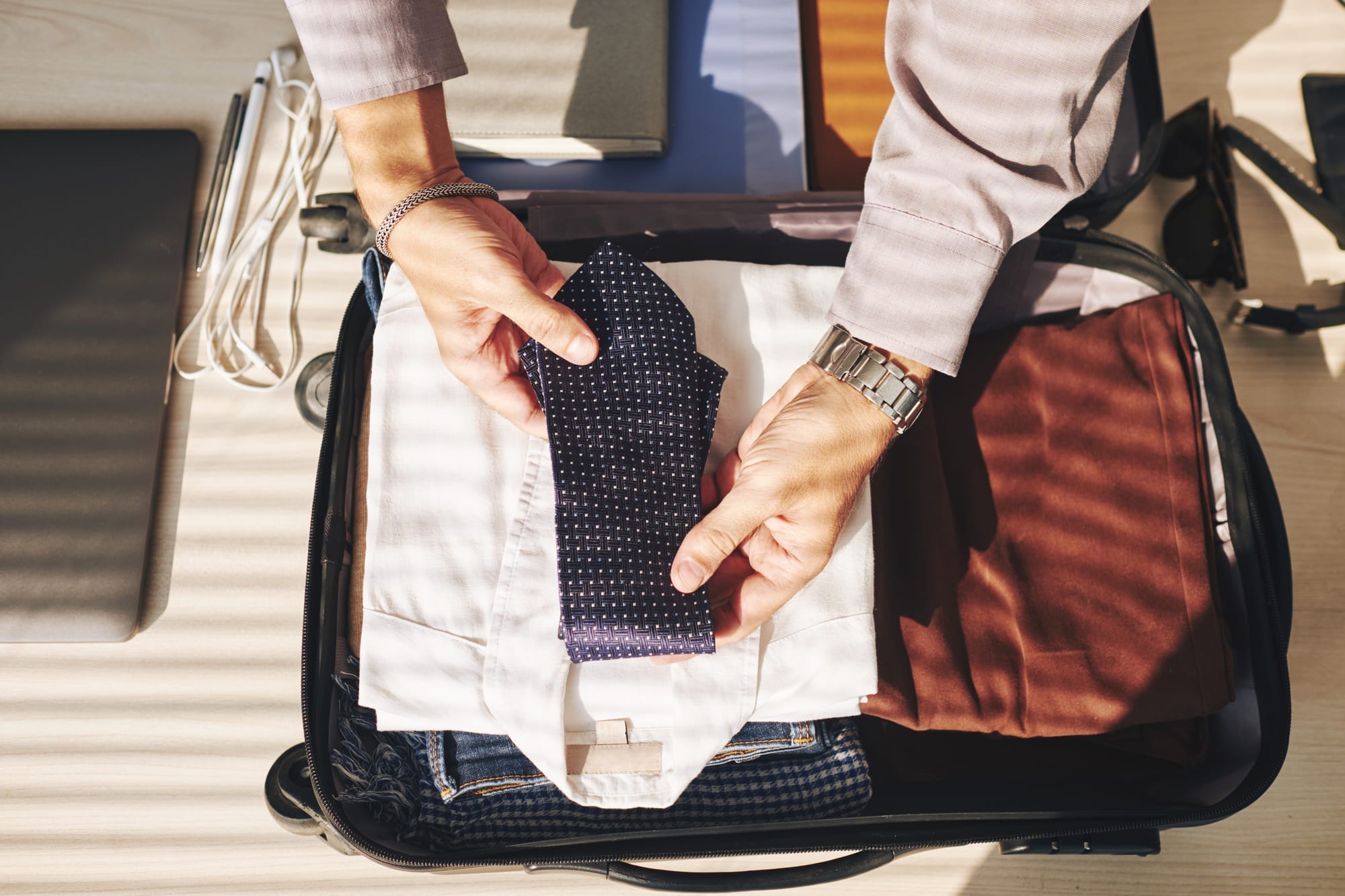
Image Source: Family Britches
My many packing disasters taught me a lesson – clothes that look perfect in your closet might tell a different story when you wear them. A simple yet overlooked travel hack is to try on everything before it goes in your suitcase.
Why trying on matters
Your favorite clothes from three months ago might not fit the same way now due to normal weight changes. Women’s bodies change throughout the year, which affects how travel clothes fit. That new outfit you bought for your trip needs a test run before you leave. Something that looks amazing on a hanger might feel wrong or uncomfortable when you put it on.
Fixing wardrobe gaps early
When you try everything on, you’ll spot missing pieces in your travel wardrobe before leaving home. Many travelers don’t realize they need proper layers until they reach their destination. A “dress rehearsal” a week before your trip gives you time to buy essentials without paying premium prices at airport shops or tourist spots.
Avoiding last-minute surprises
This packing hack helps you avoid expensive panic buying at the last minute. Take photos of your complete outfits as you create them. These pictures will guide you during the trip and make sure you have the right clothes for every activity. The process also helps you spot missing buttons, stains, or needed repairs – problems you’d rather find at home than in another country.
A 30-minute try-on session can save you hours of stress and extra expenses during your travels.
Use Compression Packing Cubes

Image Source: Travel + Leisure
Compression packing cubes have reshaped the scene of travel packing and are a great way to get more from your luggage space. These smart travel companions can shrink your clothing volume by 30-60%, based on what you pack.
Compression vs regular cubes
Standard packing cubes help organize items, but compression cubes take it further with their clever dual-zipper design. The first zipper closes the cube, and the second squeezes out extra air. You won’t need any vacuum cleaners or special tools. Regular cubes excel at organization, while compression cubes master both organization and space-saving.
Best brands for 2025
My tests reveal these brands lead the pack in quality and performance:
- Thule – Built with water-repellent nylon and premium YKK zippers
- Monos – Their six-piece set shrinks contents up to 60%
- Eagle Creek – The Pack-It Specter line combines lightweight design with durability
- Well Traveled – A budget-friendly four-piece set that resists water
How to organize by category
The quickest way to pack involves organizing your compression cubes by category instead of outfits. Here’s my system:
- Pants get their own cube
- Tops go together
- Underwear, socks, and pajamas share a cube
This system lets you find items quickly without emptying everything. Your clothes should be folded rather than rolled to achieve better compression.
Roll Clothes Instead of Folding

Image Source: Her Packing List
The age-old debate about rolling versus folding clothes has a clear winner: rolling saves space and keeps clothes wrinkle-free when done right. Military members have used this method for years to keep their uniforms crisp while saving precious storage space.
Why rolling saves space
Rolled clothes create uniform cylinders that pack together tightly, which gets rid of air pockets you often find in folded clothes. This method works great, especially when you have odd spaces to fill like backpack corners or suitcase edges. Research shows that rolling can shrink volume by 8-30%, based on the type of fabric. On top of that, it lets you see all your clothes at once without messing up the whole stack.
When to roll vs fold
Rolling works great for most casual clothes, but it’s not the best choice for everything. You should roll t-shirts, underwear, socks, jeans, and synthetic fabrics. But dress shirts, blazers, structured garments, and delicate materials need folding. Bulky sweaters take up more room when rolled, so it’s better to fold them. The quickest way to pack is to use both methods – roll the small stuff and fold the bulky items.
Tips for wrinkle-free rolling
Start by placing clothes on a flat surface and smooth out any wrinkles. To roll t-shirts, fold the sleeves back, bring sides to the center, then roll tight from top to bottom. Roll pants from the waist down after folding the legs together. Note that clothes with Lycra or polyester resist wrinkles better than pure cotton. You might want to put tissue paper between layers of delicate fabrics to avoid creases.
Wear Your Heaviest Items
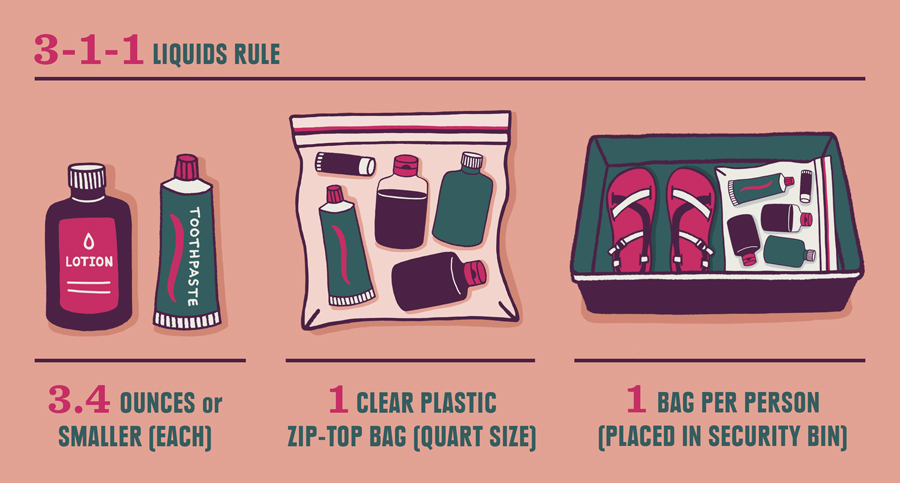
Image Source: REI
Smart travelers swear by this packing hack: wearing your heaviest items frees up much luggage space. Over the last several years of dealing with overweight bags, I became skilled at this technique to make the best use of my limited suitcase space.
What to wear on travel day
Your travel day outfit should include your bulkiest shoes (boots or sneakers), heaviest pants (usually jeans), and largest outerwear (coat or jacket). The cold weather calls for layering – start with a base layer under a mid-layer and top it with a sweater. On top of that, you can wear or carry scarves and hats instead of packing them. Everything substantial that would take up valuable suitcase space becomes part of what you wear.
How it saves space and weight
Wearing bulky items solves volume problems in your luggage. This trick works great especially when you have strict airline weight limits—many travelers say they dodge overweight fees this way. You’ll also have room for souvenirs or shopping finds during your trip. Your bulkiest items won’t take up precious space in your bags.
Comfort vs practicality
Finding the right balance matters here. Before you pile on layers, think about your comfort during long travel days. One traveler learned this lesson after boarding a September flight (30°C outside) wearing three jackets, gloves, and scarves to avoid weight limits. Choose breathable fabrics like cotton blends or technical materials that keep you comfortable without too much bulk. You can always remove layers during your trip and carry them separately or use them as pillows. This technique proves even more valuable for winter travel since bulky sweaters and coats eat up too much luggage space.
Limit Shoes to 2-3 Pairs

Image Source: EzPacking
Smart travelers stick to a simple rule – pack no more than three pairs of shoes. This limit helps make better choices and saves valuable space in your suitcase.
Choosing versatile shoes
Your destination’s climate and planned activities should guide your travel footwear choices. Most trips work well with this proven combo:
- A comfortable walking shoe to explore and relax
- One dressier option that works for nice evenings out
- A specialized pair based on what you’ll do (hiking boots, beach sandals, etc.)
Neutral colors work best as they match most outfits. Leather, canvas, and quality synthetic materials handle travel demands well. Shoes with soft insoles and padded collars will keep your feet happy after long days of exploring.
Packing shoes efficiently
Dedicated shoe bags or double-bagging protect your footwear from damage. This keeps dirt away from clean clothes and prevents scuffs. Small items like socks, belts, or underwear fit nicely inside your shoes to save space.
Place shoes along the bottom edge near the wheels to keep them from moving during transport. Soft clothing items wrapped around your shoes add extra protection.
Best travel shoes for 2025
The perfect travel shoes blend comfort, versatility, and packability. The On Cloud 6 leads the market right now at just 9.7 oz while giving you excellent ground feel. Wool-lined ankle boots make a great choice for cold places – they work well at business events and outdoor activities.
Good shoes are the foundations of any great trip. The last thing you want is blisters getting in the way of your adventures.
Use Multi-Use Accessories

Image Source: Travel + Leisure
Smart travelers know that multi-use accessories are the best way to save luggage space. These items can do multiple jobs while taking up minimal room in your bag.
Scarves, wraps, and sarongs
A sarong stands out as the ultimate travel companion. This simple piece of fabric works as clothing, protection, or helps you stay organized based on what you need. Authentic Balinese cotton sarongs dry quickly, while silky rayon batik versions make elegant evening wear. Turkish towels and pashminas work just as well in different weather conditions.
How to style them multiple ways
You can turn a sarong into skirts, dresses, pants, or tops with a few simple folds. These versatile fabrics go beyond fashion to become practical tools – they work great as beach blankets, privacy curtains in hostels, and protect your knees and shoulders at temples. They also make great impromptu shopping bags and protect fragile souvenirs.
Space-saving benefits
Sarongs and similar accessories shine because they replace many single-purpose items. One light piece of fabric eliminates the need to pack separate beach towels, blankets, and curtains. Some newer versions even come with hidden zippered pockets that keep your valuables safe at the beach.
Pack Toiletries in Cadence Capsules

Image Source: Conde Nast Traveler
Tiny toiletry bottles can be a real headache when packing. After learning about many options, I found Cadence Capsules – a game-changing packing hack that helps organize and minimize toiletry chaos.
What are Cadence capsules
Cadence Capsules are magnetic, hexagonal containers that work perfectly for travel toiletries. These customizable vessels are made from recycled ocean-bound plastic and come in three sizes: Small (0.56oz), Medium (1.32oz), and Large (2.75oz). A twist-off lid with a customizable magnetic tile labels contents clearly. The smart honeycomb design lets multiple capsules snap together however you want, which creates a compact unit.
How they save space
The stackable design and efficient shape make these capsules space-saving champions. Traditional squeeze bottles waste space with partial fills, but Cadence Capsules take up space only for the product inside. The honeycomb magnetic setup creates a slim profile in your toiletry bag. The Flex Extender adds 1.43oz capacity to any capsule if you need more space for longer trips. These versatile containers work great for jewelry, medications, or small accessories too.
Best practices for liquids
The right capsule size depends on your product’s consistency. Small capsules give you 13-14 uses of moisturizer, while Medium ones work great for shampoo. The watertight seal stays reliable in pressurized cabins – just make sure to twist the lids fully. Solid alternatives like toothpaste tablets fit nicely too – you can pack 20 tablets in one capsule. These containers make TSA compliance simple and stop toiletry explosions in your bag.
Use a Hanging Toiletry Bag

Image Source: The New York Times
A cramped hotel bathroom counter shouldn’t mess up your morning routine while you travel. My portable bathroom cabinet – a hanging toiletry bag – turns any hook or towel rod into storage space.
Why hanging bags are the quickest way
Hanging toiletry bags are a great way to get advantages over traditional options. These bags free up limited counter space in cramped bathrooms. Their lifted position protects toiletries from faucet water damage. You can see all compartments at once after unfolding and hanging – no more searching through a messy bag!
Best options for 2025
Several outstanding options come to mind for 2025:
- BAGSMART Blast has a 360-degree rotating hook with 4.5L capacity and multiple spacious compartments
- July Hanging Kit sports a sturdy metal hook that tucks away neatly when not used
- Sea to Summit gives backpackers an ultralight (2.8oz) option with a shatterproof mirror
Organizing your toiletries
Your hanging bag works best when you arrange items from largest to smallest. Each internal compartment lets you sort items logically – body products here, hair items there. Most bags have elastic bands to secure bottles and waterproof sections for liquids. A consistent toiletry list helps you pack everything needed between trips.
Pack a Spacious Personal Item

Image Source: Tortuga Blog
Most travelers focus on their carry-on bags, but your personal item can give you extra packing space that’s often overlooked. This simple luggage hack can expand your storage by a lot without extra fees.
What qualifies as a personal item
Personal items must fit under the airplane seat in front of you. These bags can be backpacks, purses, laptop bags, briefcases, or small duffels. Airlines usually allow dimensions around 18″ x 14″ x 8″, though each carrier has its own rules:
- American: 18″ x 14″ x 8″
- JetBlue: 17″ x 13″ x 8″
- United: 17″ x 10″ x 9″
Weight limits can be as low as 5kg with some carriers. Checking your airline’s website before packing is a vital step.
How to maximize its use
The best personal item works double duty as your in-flight organizer and vacation daypack. Pack your flight essentials first: entertainment stuff (reading materials, electronics), comfort items (eye mask, neck pillow), and food (reusable water bottle, snacks). Bags with dedicated spots for laptops and tech gear work best.
Best personal bags for travel
Here are the top picks for 2025:
- WaterField Air Porter: Has waterproof exterior zippers and a dedicated laptop sleeve
- Monos Metro Duffel: Packs 22-liters with smart organization
- Away Everywhere Bag: Water-resistant nylon keeps your stuff safe from dirty airplane floors
- Travelpro Crew Classic: A rolling option with built-in organization
Use a Cord Organizer

Image Source: The New York Times
Tangled electronic cables can turn any trip into a nightmare. I’ve wasted precious vacation time trying to untangle headphones and chargers instead of exploring new places. A good cord organizer can fix this problem right away.
Why cord chaos is a problem
Messy cables do more than waste your time—they can damage your expensive tech accessories. Pulling tangled cords too hard might break ports or damage wires. On top of that, it wastes space in your bag and makes finding the right cable a challenge when you need it fast.
Best cord organizers
You have several great options based on how you travel:
- Tech pouches: The Peak Design Tech Pouch comes with origami-style pockets that save space. BAGSMART organizers use elastic straps to keep everything in place during your trip.
- Roll-up organizers: These space-savers secure different cable sizes with elastic loops.
- Cable wraps and ties: Simple velcro strips are a great way to organize cables quickly.
How to pack tech smartly
Group your cables by their devices—keep TV cables together and audio gear in one place. Pick an organizer that matches your travel needs. The Rains bag keeps your tech safe in wet weather. Finding cables quickly is a vital part of good organization—look for clear windows or mesh pockets that help you spot what you need without unpacking everything.
Bring a Travel Wrap or Blanket

Image Source: Amazon.com
A travel wrap or blanket is my smartest packing investment. This versatile companion works as both a stylish accessory and practical necessity throughout any experience.
Why it’s a must-have
Travel wraps are perfect for unpredictable travel situations. You can toss them into a suitcase without worrying about wrinkles and get immediate comfort when needed. These wraps work as blankets during cold flights while maintaining a refined look. Their excellent warmth-to-weight ratio makes them perfect for handling temperature changes in airports and airplanes.
Best travel wraps for 2025
Several outstanding options are available for 2025:
- The Travel Wrap Company offers sustainably sourced cashmere from Mongolia
- Happyluxe Wayfarer features UPF 50+ protection, blocking 98% of UV rays
- Gravel Layover Blanket packs down to grapefruit size with insulated foot pouch
Key features include built-in storage bags, fleece-lined pockets, and easy packing. You can choose from premium cashmere to quick-drying synthetic blends.
Doubles as a pillow or scarf
Travel wraps shine in their adaptability. You can fold them into neck pillows during flights, create extra cushioning by stuffing them with clothes, or wear them as fashionable scarves upon arrival. Travelers often use them as seat covers, privacy screens, and emergency towels.
Pre-Pack a Few Days Ahead

Image Source: Indie Traveler
Packing the night before your trip leads to two problems – you’ll forget essential items and overpack at the same time. My experience with both approaches has taught me that starting your packing days ahead can change your entire travel experience.
Why early packing helps
Starting a week before departure gives your brain time to recall items you might have missed at first. This well-thought-over approach lets you focus on your adventures instead of stressing about forgotten necessities. You won’t have to sprint to your gate after searching frantically for sunscreen when you pack early. Your vacation will feel longer because you’ll arrive at your destination feeling relaxed.
How to do a trial pack
Place everything on a guest bed or in a rarely-used room 3-4 days before you leave. Make mental notes about each item’s use as you fold it. You can organize packing cubes by destination – one for swimwear, another for sweaters. Take photos or write down your outfit plan so you don’t forget your carefully planned system.
Adjusting based on fit
A “mock packing” session will help you determine your suitcase’s final weight. This key step shows if your empty suitcase weighs too much. You should think over what’s truly needed and leave 10-20% space for souvenirs. Zip up your suitcase 24 hours before departure after your trial pack. This gives you enough time to make final adjustments.
Leave Behind 10-20% of Items

Image Source: Moderately Adventurous
A surprising packing hack that works every time: take out 10-20% of everything you originally planned to pack. This considered reduction helps you make better decisions about what deserves space in your luggage.
Why this works
The “leave behind” strategy tackles our natural urge to overpack “just in case” items we rarely use. Studies show travelers don’t wear at least 20% of their packed clothes on trips. The psychological comfort of knowing you can buy forgotten essentials at your destination removes packing anxiety. People everywhere wear clothes and clean themselves—you’ll find what you need locally if you forget something.
How to choose what to cut
Start by laying out everything for your packing list. Then take out one in every five pieces systematically. You can aim for 10% reduction if that seems too much. Start with redundant items—that third pair of jeans, extra shoes, or duplicate toiletries. Pick versatile items over sentimental ones and remove things you like least but won’t need.
Creating space for souvenirs
This approach creates significant space for souvenirs and shopping finds, which is a practical benefit. Without planned luggage space, you’ll need to buy an extra bag (expensive) or pay for excess baggage (even more expensive). This hack ended up giving peace of mind because you’ll have room for memorable keepsakes from your trip.
Reflect on What You Didn’t Use

Image Source: The Kosmonia
You need one overlooked strategy to become skilled at packing: analyze what stayed untouched during your trip. A careful review of unused items after traveling shows patterns that will change how you pack for future adventures.
Post-trip evaluation
Your first task after reaching home should be unpacking everything and finding what remained unused. Make two piles—items you wore/used versus those that stayed untouched throughout your trip. This simple exercise will show you surprising things about your actual needs compared to what you imagined you’d need.
Tracking packing mistakes
Keep your findings in a travel journal or digital note. Write down what stayed packed and your original reasons for bringing those items. The usual suspects include “just in case” items, duplicate products, or aspirational clothing that doesn’t match your travel style. In fact, keeping this record from multiple trips shows your personal overpacking patterns.
Improving for next time
These insights help create your personalized “do not pack” list. Check this document first when preparing for future travels—it protects you from making the same mistakes. This practice saves valuable space and builds your confidence in packing lighter.
Smart packing grows through careful reflection. The best travel packing solutions come from eliminating unnecessary habits rather than adding clever techniques.
Choose Lightweight Luggage

Image Source: Travel + Leisure
Smart packing starts with choosing the right luggage. A lightweight suitcase saves several pounds of your precious weight allowance before you put anything inside.
Best lightweight luggage brands
Several brands stand out when it comes to lightweight options. Travelpro’s Maxlite 5 weighs just 5.4 pounds empty – about the same as a 2-liter soda bottle. Rimowa makes an even lighter carry-on at 4.9 pounds that doesn’t compromise on durability. Budget-friendly travelers will find Samsonite’s Freeform Spinner a great option at 6.5 pounds.
Features to look for
Materials make all the difference. Polycarbonate hard shells give you better durability for their weight compared to ABS plastic. Soft bags made from polyester weigh less than nylon versions while staying tough enough for regular use. Your empty luggage should weigh no more than 10% of your airline’s baggage allowance to give you maximum packing space.
Hard shell vs soft shell
In stark comparison to this common belief, soft-sided bags don’t always weigh less than hard cases. Hard shells protect fragile items better and keep water out. Soft-sided bags come with useful outside pockets and squeeze into tight spaces. You can stuff more into soft-sided luggage than rigid cases. Both styles now come in lightweight versions – your travel style matters more than weight when picking between them.
Conclusion
These packing techniques will definitely change your travel experience. My experience across nearly 40 countries shows these strategies consistently save preparation time, create extra space for souvenirs, and eliminate unnecessary baggage fees. Best of all, these hacks reduce pre-trip anxiety. You can focus on enjoying your destination instead of worrying about forgotten items or struggling with overstuffed luggage.
Note that good packing starts well before your trip. You should create a detailed packing list, plan outfits rather than options, and do a trial pack several days ahead. It might seem counterintuitive, but removing 10-20% of your first choices actually boosts your travel experience. This forces smarter choices about what truly deserves space in your bags.
Smart gear choices make a big difference. Compression packing cubes, hanging toiletry bags, and lightweight luggage are the foundations for efficient packing. On top of that, multi-purpose items like travel wraps and versatile shoes maximize functionality while taking minimal space.
The best travel hack comes surprisingly after your trip ends. Taking time to reflect on unused items throughout your trip helps refine your approach for future adventures. This continuous improvement process turns you from an anxious overpacker into a confident travel minimalist.
Smarter packing leads to better travel. These techniques have helped me move through airports easily, avoid checked baggage on many trips, and arrive ready to explore rather than exhausted from carrying too much. Try just a few of these hacks on your next adventure, and you’ll never look at packing the same way again.


 English
  Spanish
  German
  Italian
  Swedish
  Norwegian