
An international mover may coordinate packing, export documents, transportation, customs clearance, destination services, delivery, and storage across several countries and providers. A low quote can become expensive if the scope is incomplete or destination charges are unclear. Look for a realistic plan, clear documentation, experienced coordination, and a reliable point of contact.
Use these ten questions to compare international moving companies before committing your household goods.
1. How Much International Moving Experience Do You Have?
Ask whether the company regularly manages household-goods moves to your destination. Its experience should cover export procedures, documentation, packing, customs coordination, overseas partners, and delivery.
Request an explanation from the survey through delivery, including which tasks are completed by overseas partners.
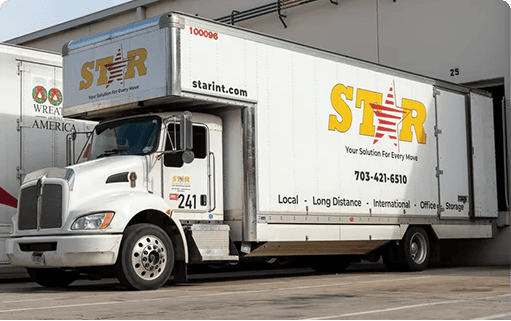
Star Moving Solutions provides international moving services that coordinate planning, packing, documentation, shipping, customs support, and delivery across international destinations.
2. Are You Properly Registered for the Services You Provide?
Credentials depend on the route and transport method. For U.S. interstate moves, consumers can review registration and complaint information through the Federal Motor Carrier Safety Administration. International ocean transportation may involve intermediaries overseen by the Federal Maritime Commission.
Ask which registrations, licenses, affiliations, and protections apply to your shipment. Verify them through the relevant government database.
Clarify whether you are working with a mover or broker. Know who takes possession of your goods and who is responsible at each stage.
3. Will You Complete a Detailed Survey?
A useful estimate begins with an in-home or detailed virtual survey of everything being shipped, stored, discarded, or handled separately.
Include garages, attics, sheds, closets, fragile artwork, pianos, oversized furniture, and items requiring crating or special access.
Disclose stairs, elevators, parking restrictions, long carries, and limited access. These details affect equipment, labor, and destination services.
4. What Is Included in the Written Estimate?
Ask for a written estimate covering shipment volume or weight, packing, loading, transportation, terminal handling, customs-related services, destination delivery, and unpacking where applicable.
It should identify possible extra charges for inspections, duties, storage, demurrage, difficult access, parking, or added services.
Compare the promised services, pricing assumptions, and change-approval process, not only the final number.
5. Who Will Be My Main Point of Contact?
Ask whether a dedicated coordinator will manage dates, documents, shipping updates, customs requirements, and destination arrangements.
Confirm how updates are provided, whom to contact across time zones, and when the destination partner will reach you.
Clear communication matters when travel, housing, work, and shipment dates do not align.
6. How Will You Handle Customs Documentation?
Import rules vary by country and may depend on visa status, shipment contents, ownership, intended use, and arrival timing. Instructions must reflect the destination and current circumstances.
Ask which documents are required, when they are due, and who reviews them. Special items such as vehicles, pets, alcohol, food, or inherited goods may require additional paperwork.
Our guide to customs for international moves explains why accurate inventories and matching documents matter. Confirm immigration, tax, and legal questions with the appropriate authority or adviser.
7. How Will My Belongings Be Packed and Inventoried?
Ask how goods will be wrapped, packed, labeled, numbered, and recorded throughout their journey.
The inventory should identify each package and its condition. Discuss special packing for fragile or high-value items and confirm who will reassemble furniture at destination.
Carry copies of shipping documents, passports, medication, financial records, and keys rather than packing them.
8. What Protection Options Are Available?
Ask how liability and protection work for your route, including exclusions, deductibles, claims, and documentation.
Record valuable items with photographs, receipts, appraisals, model numbers, or serial numbers. Declare high-value goods as required.
Read moving insurance and valuation explained for a clearer understanding of protection terminology. Then review the documents offered for your specific international shipment before selecting an option.
9. What Timeline Should I Expect?
International delivery dates are usually ranges. Consolidation, sailing schedules, port congestion, customs, weather, inspections, and delivery availability can affect timing.
Ask for the transit window and how delays are communicated. Pack for the possibility that your goods arrive after you.
If your new home is not ready, ask whether origin or destination storage can be arranged and how that changes handling, cost, and delivery scheduling.
10. What Happens at the Destination?
Confirm the destination partner’s responsibilities, including customs support, delivery, unpacking, furniture placement, reassembly, and debris removal.
Disclose access restrictions and clarify how missing or damaged items are reported.
Our international relocation planning guide can help you organize these decisions before departure.
Watch for International Moving Red Flags
Be cautious if a company refuses to complete a detailed survey, provides only a vague verbal price, demands a large cash payment, or asks you to sign blank documents.
The company should be willing to identify its legal business name, explain its role, provide applicable registration information, and describe the overseas partner network. It should also answer questions about claims, delays, storage, and destination charges without avoiding specifics.
Pressure to book immediately can prevent careful review. Give yourself time to read the estimate, service terms, inventory process, protection documents, and cancellation conditions. If the explanation changes each time you ask, pause before handing over your belongings.
The best international moving company is not simply the cheapest. It is the one that gives you a complete plan, answers detailed questions, explains responsibilities, and communicates clearly from origin to destination.





 English
  Spanish
  German
  Italian
  Swedish
  Norwegian