
Northern Virginia is home to some of the busiest military communities in the country, from the Pentagon and Joint Base Myer–Henderson Hall to Fort Belvoir and Marine Corps Base Quantico. If you’re planning a military move in the next year, the system behind it looks very different from how it looked even 18 months ago.
The Department of Defense ended its contract with HomeSafe Alliance, created a new organization to run household goods shipments, and changed several rules that affect booking, claims and reimbursement. Here’s what changed and how to plan your next PCS around it.
HomeSafe Is Out
In June 2025, the Department of Defense terminated its $6.2 billion Global Household Goods Contract with HomeSafe Alliance. The contract was meant to put a single private company in charge of managing military moves, but it ran into widespread delays and mishandled shipments.
With that contract gone, household goods moves have returned to the traditional model. You still work through your installation’s personal property office, and approved moving companies still pack, haul and deliver your belongings. If you moved during the HomeSafe period and still have an open claim, follow up with your claims office.
Meet the Personal Property Activity
A January 2026 Pentagon memo created the Personal Property Activity (PPA), a permanent organization based at Scott Air Force Base in Illinois and led by Army Maj. Gen. Lance Curtis. The PPA takes over oversight of household goods moves from U.S. Transportation Command and covers the process from booking through claims.
Two changes stand out for families. Installation shipping offices now report to the PPA rather than to individual service branches, which should make rules more consistent. And a dedicated call center, staffed around the clock during peak season, gives you a direct line when something goes wrong.
Curtis has said the reorganization cleared a backlog of 18,000 shipments. Officials have also discussed turning the PPA into a standalone defense agency, though no date has been confirmed.
What’s Different When You Book
- Earlier booking. Peak-season booking opened on March 20 in 2026, about a month earlier than in past years.
- Better delay compensation. If your delivery runs late, dependents can now receive up to 75% of the meals and incidentals per diem rate, in addition to the service member. Moving companies pay these inconvenience claims.
- More time for claims. The window to file a property claim has been extended from nine months to 12.
- New software on the way. The Defense Personal Property System (DPS) is more than 25 years old, and the PPA is pursuing commercial software to replace it.
What Hasn’t Changed
Your weight allowance is still set by your rank and whether you have dependents. Your installation’s transportation office is still your first stop for counseling and booking, and you still manage your shipment and claims through DPS for now. Because details may keep shifting as the PPA matures, confirm any rule with your transportation office before you sign anything.
Fewer Discretionary Moves Ahead
The Pentagon also plans to cut discretionary moves, such as those for career development or education, by 10% in fiscal 2027, rising to 50% by fiscal 2030. Operational moves and overseas rotations aren’t the target. For families, that could mean longer tours, which changes the math on buying versus renting near your next duty station.
Government-Arranged Move or PPM?
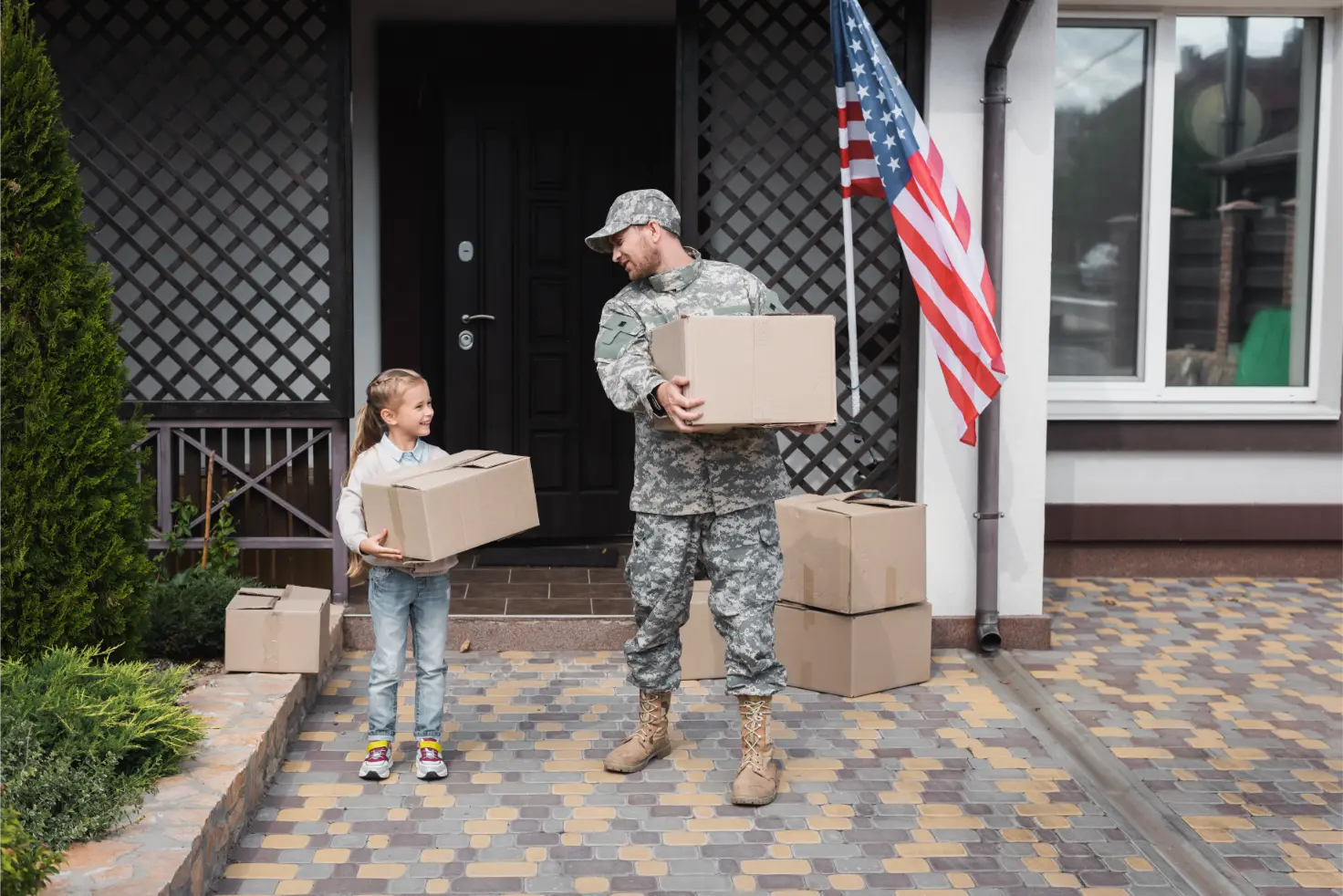
You still have two main options. In a government-arranged move, the transportation office books a moving company to pack, ship and deliver your household goods within your weight allowance. In a Personally Procured Move (PPM), you arrange the move yourself and are reimbursed based on what the government would have paid, known as the government constructed cost (GCC). Some families choose a partial PPM, letting the government ship most of their goods while they move certain items themselves.
PPM reimbursement returned to 100% of the GCC after a temporary increase to 130% during the summer of 2025. A PPM gives you more control over dates and handling, but you take on the planning and the risk. To understand the support available to you, read our guide on how the military helps with moving.
Practical Tips for Your Next PCS
- Book the moment you have orders, especially for summer moves, when demand peaks.
- Photograph high-value items and keep receipts before pack-out, so a claim is easier to support if something is damaged.
- Estimate your weight early. Going over your allowance means paying for the excess yourself.
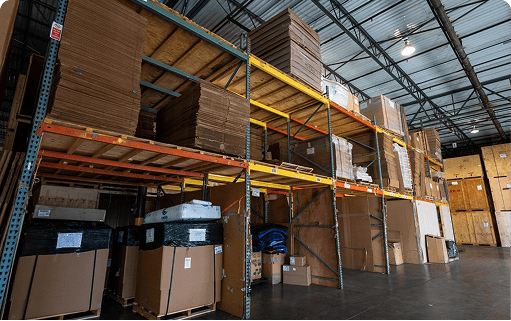
- Plan for gaps. If housing at your new duty station isn’t ready, look into temporary storage between moves well before your report date.
- Confirm dates in writing. Get pack-out, pickup and delivery dates confirmed, and arrange a designated agent to be there if you can’t.
- Keep essentials with you, including orders, IDs, medical and school records, and anything you can’t replace.
Plan Your Next Military Move With Confidence
The 2026 changes are designed to make military moves more reliable, but a smooth PCS still comes down to planning early and asking the right questions. Book as soon as your orders arrive, document your belongings and stay in touch with your transportation office throughout the process.
If you’re moving to or from Northern Virginia and want help with a PPM, storage or the parts of your move that fall outside the government shipment, explore our military moving solutions or contact Star Moving Solutions to talk through your options.



 Norwegian
 English
 Spanish
 German
 Italian
 Swedish