
Moving is expensive, and it rarely happens on a schedule you pick. A lease ends early, a job changes, a parent needs more care, or orders arrive with a report date. The good news is that moving assistance comes in more forms than most people expect. Some programs help pay the bill. Others take the heavy lifting off your plate.
Here are seven places to look, plus a few ways to make any help you get go further.
1. Start with 211
If you need financial help, call 211 or visit 211.org first. It’s a free, confidential referral line that connects you with programs in your own area, including help with deposits, first month’s rent and moving costs. In Virginia, 211 Virginia keeps a searchable database of local providers by city and county.
Programs vary a lot by location and change through the year as funding comes and goes. A five-minute call can save you hours of searching and point you to help you didn’t know existed.
2. Community action agencies and local charities
Community action agencies use federal and state funding to help low-income households stay stable, and some of that money goes toward rent deposits and moving costs. Ask your local agency what it offers and what paperwork it needs.
The Salvation Army, Catholic Charities and similar groups also run housing-stability programs that may cover part of a move. Most ask you to show low income or a risk of losing your housing. If you’re leaving an abusive situation, a local domestic violence program or the YWCA can often move faster and help keep your new address private.
3. FEMA after a declared disaster
If a federally declared disaster damaged your home, FEMA’s Individuals and Households Program may help with temporary housing and some moving and storage costs. Apply at DisasterAssistance.gov, and keep photos, receipts and your insurance paperwork. FEMA generally won’t pay for anything your insurance already covers, so file with your insurer too.
4. Your employer’s relocation package
If you’re moving for work, talk to HR before you book a truck or a crew. Many employers offer a lump sum, a reimbursement plan or direct billing with a moving company. Direct billing is often the simplest option because you never front the cost.
One tax point matters in 2026. The One Big Beautiful Bill Act permanently ended the moving expense deduction for most workers. It also made employer-paid moving costs taxable income. Some employers “gross up” the payment to cover that tax, so ask whether yours does before you accept an offer.
5. Military moving benefits
Service members moving on permanent change of station (PCS) orders get a government-funded move. They also remain one of the few groups still allowed to deduct unreimbursed moving costs, along with certain intelligence community members. The rules around weight allowances, reimbursements and do-it-yourself moves can be confusing. Our guide on whether the military helps with moving services walks through what’s covered and what isn’t.
6. Help for seniors and veterans
Older adults can contact their local Area Agency on Aging, which connects seniors with services in their community. Depending on the area, that can include downsizing help, transportation and referrals for moving costs. Many senior living communities also keep lists of trusted movers and may offer move-in incentives.
Veterans can reach out to the VA’s housing programs or a local veterans service organization. Both can point you to grants and charities that help veterans with deposits and relocation costs.
7. Hands-on help from a professional mover
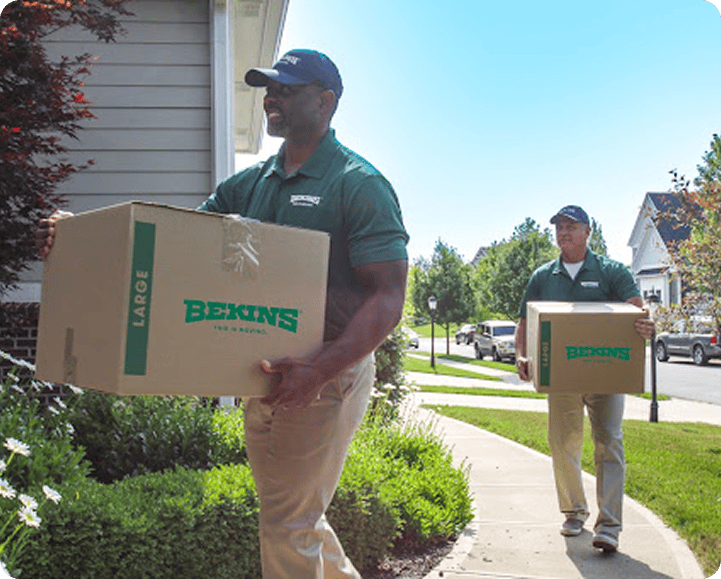
Not all moving assistance is financial. Sometimes what you need is a trained crew, because you’re short on time, can’t safely lift heavy items or face a sudden deadline.
A full-service mover can pack, load, store and deliver on a tight timeline, and many can mobilize within days. If you’ve just learned you need to be out quickly, read what servicios de mudanzas de urgencia cover and how fast a crew can realistically help.
How to make any moving assistance go further
Whether you’re working with a grant, a relocation stipend or your own savings, a few habits stretch every dollar.
- Move off-peak if you can. Rates are usually highest in summer and at the end of the month. Our breakdown of the cheapest and most expensive months to move shows when demand drops.
- Get at least three written estimates. Ask each mover to do an in-home or video survey so the quote reflects what you actually own.
- Declutter before you get quotes. Less weight and fewer boxes mean a smaller bill. Sell, donate or recycle what you won’t use.
- Mix and match services. Pack the easy rooms yourself and leave fragile items, heavy furniture and the driving to the pros.
- Keep every receipt. Many programs reimburse only with documentation. If you’re eligible for the military deduction, you’ll need records at tax time too.
Questions to ask before you accept help
Before you sign anything, ask a few simple questions. Is the assistance a grant, a loan or a reimbursement? Does it pay you or the moving company directly? What deadlines and paperwork apply? And does the mover you’ve chosen accept that type of payment? Clear answers up front prevent surprises on moving day.
Get a free moving estimate
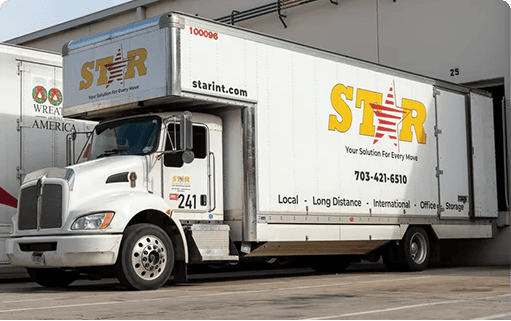
Star Moving Solutions has helped families across Virginia, Maryland and Washington, DC, for more than 25 years. Whether you’re working with an employer package, PCS orders or a tight personal budget, we’ll give you a clear written estimate and help you plan a move that fits it. Call (703) 421-6510 or request a free, no-obligation quote online.





 Spanish
  English
  German
  Italian
  Swedish
  Norwegian