
Planning a long-distance move usually starts with your furniture and boxes. But if you own a car, you also need to decide how it’s getting to your new home. You can drive it, tow it behind a rental truck, or hand it to a professional car shipping company.
Shipping isn’t the right answer for everyone, but it saves time, mileage and stress on many cross-country moves. Here’s how car shipping works, how to compare quotes, and how to protect your vehicle along the way.
Drive, Tow or Ship?
Driving works well for moves of a day or two, especially if you want the car as soon as you arrive. On a cross-country move, though, it adds fuel, hotel nights, meals and wear on the vehicle, plus several days away from work.
Towing with a car trailer or dolly behind a rental truck keeps everything together, but it makes the truck harder to handle and isn’t possible with every vehicle.
Shipping makes sense when you’re flying to your new home, moving more than one car, or simply don’t want to spend days on the road. It also lets you time your car’s arrival with your household delivery.
Open vs. Enclosed Transport
Most cars travel on open carriers, the multi-level trucks you see on the highway. Open transport is typically the less expensive option and is safe for most everyday vehicles.
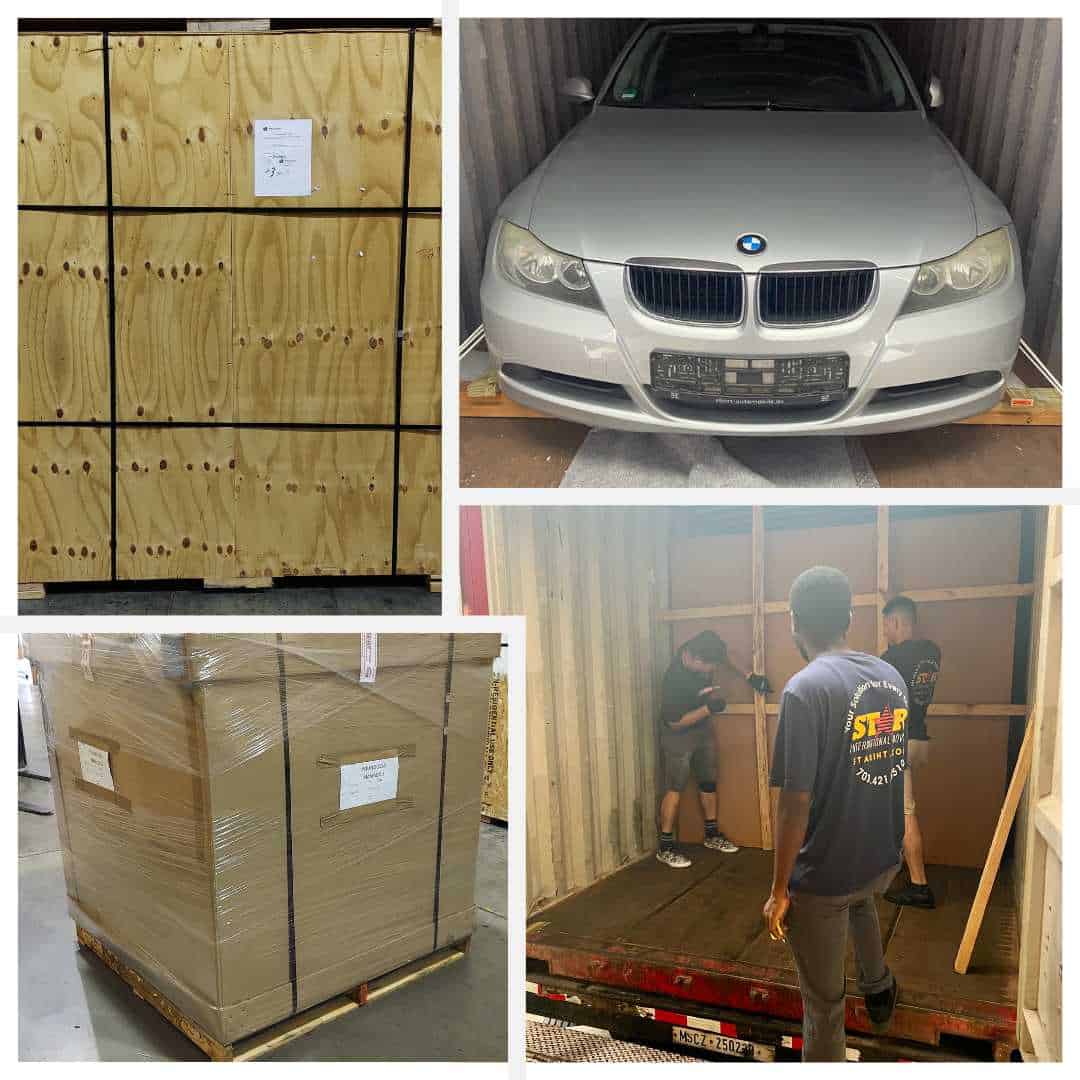
Enclosed transport carries your car inside a covered trailer, protecting it from road debris, dust and weather. It costs more, so it’s usually chosen for luxury, classic, collectible or newly restored vehicles.
How Long Does Car Shipping Take?
Transit time depends mostly on distance and route. Many carriers deliver domestic shipments in roughly 8 to 10 business days. Shorter regional moves are faster, while rural pickup or delivery points can add time.
Carriers usually give you a pickup window rather than a fixed date. Build that flexibility into your plans, and consider a rental car if you’ll need to drive before your vehicle arrives.
Getting an Accurate Quote
Car shipping prices vary with distance, vehicle size, open or enclosed transport, the season, and whether the car runs. When comparing quotes, ask:
- Is the price guaranteed, or can it change before pickup?
- What pickup and delivery windows are included?
- Does the price include insurance coverage for the car in transit?
- Is the company the carrier, or a broker arranging transport with another carrier?
The same rule applies here as with household goods: understand exactly what you’re agreeing to. Our guide to binding vs. non-binding estimates explains how fixed and variable pricing work.
Check That the Company Is Registered
Federal rules require interstate auto carriers and auto transport brokers to register with the Federal Motor Carrier Safety Administration (FMCSA). Each receives a six-digit MC number, and carriers also have a USDOT number. Before you book, look up the company in FMCSA’s online database and confirm its registration is active.
FMCSA also warns consumers to be cautious of websites that don’t make clear whether the company is a broker or the actual carrier. A legitimate company should display its MC number and explain who will physically move your car.
How to Prepare Your Car for Shipping
A little preparation makes pickup faster and protects you if anything goes wrong.
- Clean the car inside and out, so existing scratches and dents are easy to see.
- Photograph every side, plus the roof, wheels, interior and odometer, with date stamps.
- Remove personal belongings. Many carriers don’t allow personal items in the vehicle, and items left inside are typically not their responsibility.
- Take out toll transponders such as E-ZPass, so you aren’t charged for tolls along the route.
- Leave a modest amount of fuel. Ask your carrier how much it prefers; many request a quarter tank or less.
- Check for leaks, charge the battery and make sure the tires are properly inflated.
- Disable alarms or give the driver instructions to turn them off.
Inspection at Pickup and Delivery
At pickup, the driver inspects the car and notes its condition on the bill of lading. Walk around the vehicle with the driver and make sure the report matches what you see before you sign.
At delivery, inspect the car again before signing. Look closely at every panel, especially in daylight. If you find new damage, note it on the bill of lading before you accept the car, then take photos and contact the company right away.
Registering Your Car in a New State
Once your car arrives, you’ll need to make it legal in your new state. If you’re moving to Virginia, the state DMV gives new residents 30 days to title and register a vehicle and 60 days to get a Virginia driver’s license. Cars kept in most Northern Virginia localities also need an emissions inspection before registration, plus an annual safety inspection.
Other states set their own deadlines, so check with the DMV where you’re moving. For more on what changes when you cross state lines, read how interstate moves differ from local moves.
Coordinate Car Shipping With Your Household Move
Car shipping works best as part of a single, well-timed plan. Book early, especially in summer, so your pickup window lines up with your household pickup and your car arrives close to when you do. For more ways to keep a cross-country move on track, see our long-distance moving tips.
Planning a long-distance move to or from the Washington, DC area? Contact Star Moving Solutions to plan your household move and talk through the best way to get your vehicle there too.




 Spanish
 English
 German
 Italian
 Swedish
 Norwegian