
Sudden lease changes, property problems, job transfers, family emergencies, weather events, and unexpected closing dates can force a fast move. Focus first on people, essential belongings, and a workable destination. You may not organize every closet perfectly, but clear priorities can protect documents, reduce lost items, and help movers work efficiently.
Use this emergency moving checklist to focus on what matters most.
1. Confirm Immediate Safety and Housing
After a fire, flood, storm, or structural problem, follow instructions from emergency services. Do not re-enter an unsafe property to retrieve belongings.
Confirm where everyone will stay. Knowing the immediate destination shows what must travel with you and what can go into storage.
Agree on a meeting point and communication plan. Keep phones charged and important numbers written down.
2. Contact Emergency Movers Immediately
Call movers as soon as relocation is required. Availability depends on the date, crew, truck, distance, access, and inventory.
Provide the clearest information possible:
- Current and destination addresses
- Required move-out deadline
- Approximate number of rooms
- Stairs, elevators, parking, and access restrictions
- Large, fragile, or unusually heavy items
- Whether packing help and materials are needed
- Whether the destination is ready
- Whether storage may be required
Request the available services and agreed scope in writing. Star Moving Solutions offers Lösungen für Notumzüge for urgent household and business relocations.
3. Create One Essential-Documents Bag
Carry important documents in a secure, waterproof bag. Include identification, passports, medical and insurance information, property records, financial records, school or pet documents, and moving paperwork.
Add medication, keys, chargers, clothing, toiletries, and first-day supplies for children or pets.
Keep secure digital copies where appropriate and tell a trusted person where the bag is kept.
4. Decide What Must Move, Store, or Stay
Sort quickly into three categories:
- Move now: furniture, clothing, household essentials, work equipment, and items needed at the destination.
- Store: belongings you want to keep but cannot take to temporary housing or an unfinished property.
- Do not move: trash, expired products, hazardous materials, unwanted items, and anything the mover cannot transport.
Do not hide restricted items. Review these items movers will not move and ask about anything uncertain.
5. Pack by Priority, Not by Room Perfection
Professional packing can save time. If packing yourself, start with essentials and high-risk areas.
Prioritize medication, clothing, work equipment, children’s items, pet supplies, kitchen basics, breakables, and electronics.
Label each box with its room and contents. Mark bedding, towels, cookware, cleaning supplies, and tools “OPEN FIRST.”
Use small cartons for dense items and larger ones for lightweight goods. Keep furniture hardware in labeled bags or a dedicated parts box.
6. Photograph the Property and Belongings
Photograph valuable items and the condition of furniture, appliances, and electronics. Record serial numbers where practical.
Photograph cleared rooms to document the property’s condition.
Before discarding damaged belongings, follow your insurer’s or restoration professional’s instructions.
7. Arrange Temporary Storage When Dates Do Not Align
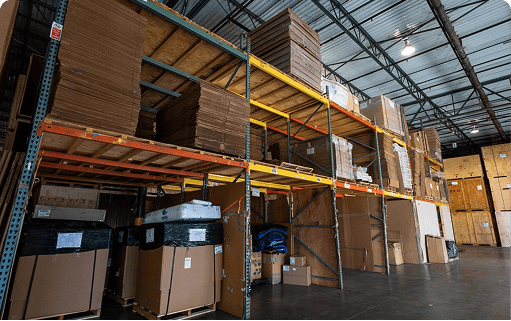
Storage can bridge the gap when a new home is unavailable, temporary housing is too small, repairs are underway, or an office is not ready.
Ask about direct transport into storage, later delivery, handling charges, access, inventory, and protection.
Our guide to temporary storage between moves explains how to plan when move-out and move-in dates do not match.
8. Notify the People Who Need to Know
Notify the landlord, property manager, closing agent, employer, school, utilities, insurer, and anyone responsible for destination access.
Arrange mail forwarding and coordinate parking, elevators, loading docks, or gates.
For an office move, assign one mover contact and one person to update employees, clients, suppliers, and technology providers.
9. Confirm the Move Details in Writing
Review addresses, arrival windows, services, rates, payment, storage, and special-item instructions. Never sign blank or incomplete forms.
Ask how changes will be approved and keep copies of the estimate, inventory, and contact details.
If the move crosses state lines, use the Federal Motor Carrier Safety Administration’s consumer resources to understand estimates, mover registration, and your rights and responsibilities.
Avoid Common Emergency-Moving Mistakes
Speed does not mean skipping every safeguard. Do not hire a mover without confirming the company name, contact details, available services, and written estimate. Avoid paying an unexplained large deposit or signing forms with blank spaces.
Do not pack medication, passports, keys, cash, jewelry, or irreplaceable records in the moving truck. Keep them under your control. Do not overload boxes simply to reduce their number, as heavy cartons are harder to handle and more likely to fail.
Finally, do not assume the new property is ready. Confirm keys, utilities, access times, elevator reservations, parking, and a safe place for the crew to unload. Ten minutes spent checking these basics can prevent significant delays when the truck arrives.
10. Plan the First 24 Hours After Delivery
At the destination, prioritize safe access, beds, medication, bathroom supplies, food, children, pets, phone charging, and work essentials.
Check the inventory and report visible damage or missing packages through the mover’s process. Unpack essentials first, secure the property, and plan the following days.
An urgent move is stressful, but clear priorities can prevent the situation from becoming chaotic. If you need short-notice support, contact Star Moving Solutions with the deadline, addresses, inventory, access details, and any storage requirements so the team can assess available options quickly.



 German
  English
  Spanish
  Italian
  Swedish
  Norwegian